
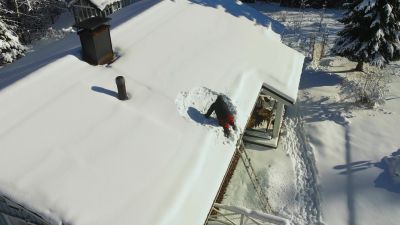
Roof Snow Removal in New York, NY
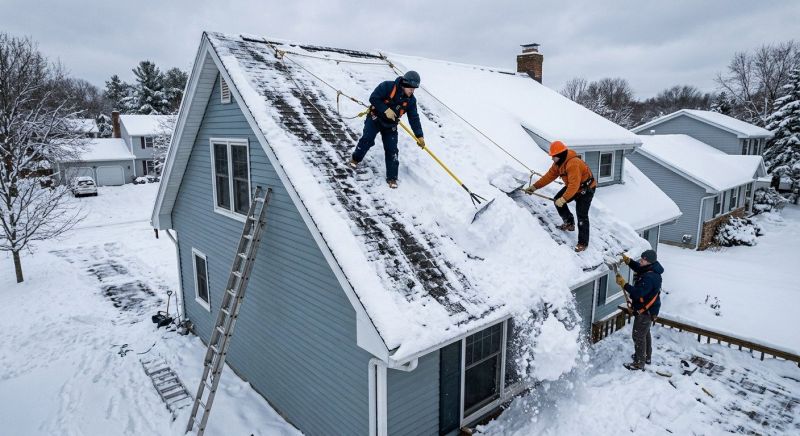
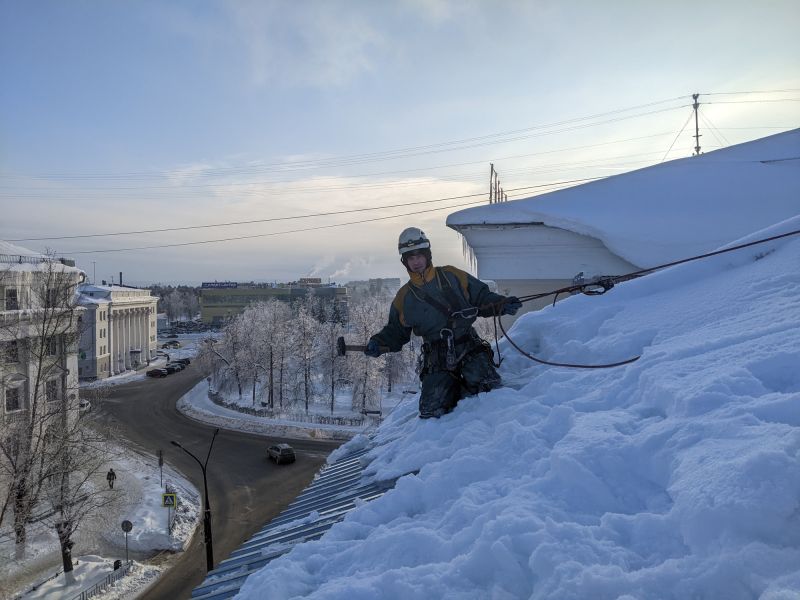
Roof snow removal services involve clearing accumulated snow and ice from residential rooftops to prevent potential damage and ensure safety. This service typically covers a variety of projects, including removing snow from sloped and flat roofs, ice dam prevention, and managing heavy snow buildup after storms. Homeowners should consider factors such as roof pitch, snow load, and accessibility when requesting these services, as these details help determine the best approach for effective and safe snow removal.
Property owners often want to understand the scope of the work, including whether the service includes ice dam prevention or just snow clearing, and if any precautions are taken to protect roofing materials. It’s also helpful to inquire about the use of specialized equipment and techniques suited for different roof types and snow conditions. Being informed about these aspects can assist in making the best decision for maintaining roof integrity and safety during winter months.
Many property owners in New York, NY look into Roof Snow Removal for repairs, replacements, upgrades, and appearance-related improvements.
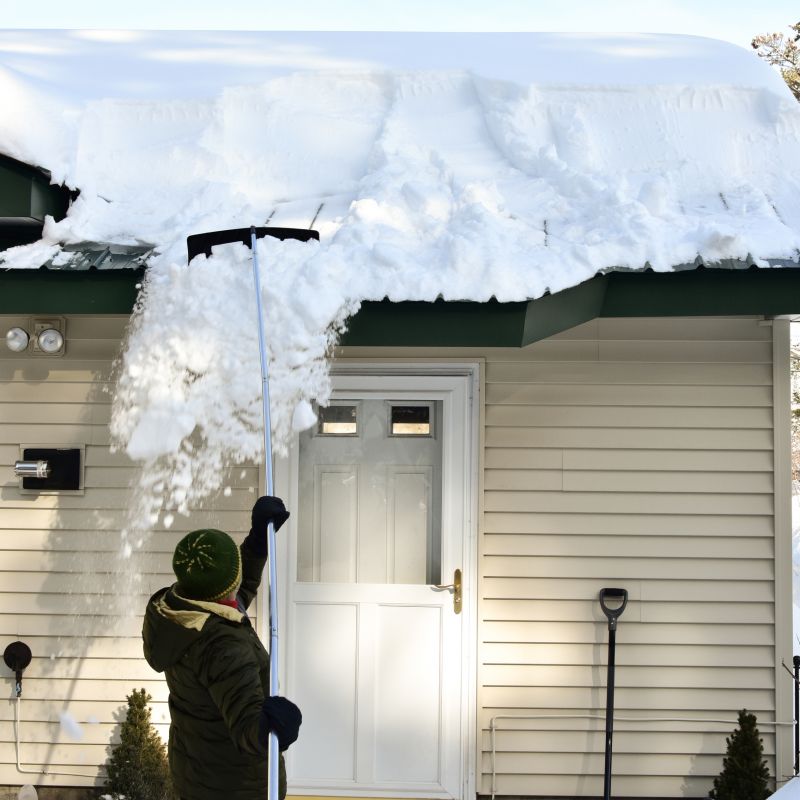
Prevent Roof Damage
Removing snow helps protect roofs from ice dams and structural stress.
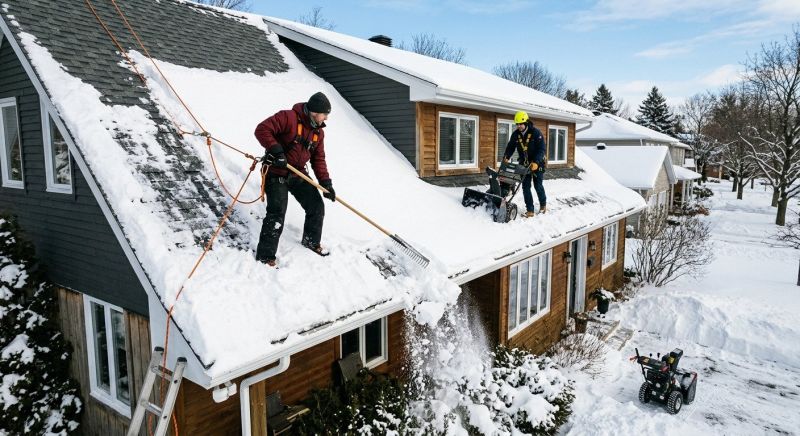
Maintain Property Safety
Clearing snow reduces the risk of slips and falls around the property.
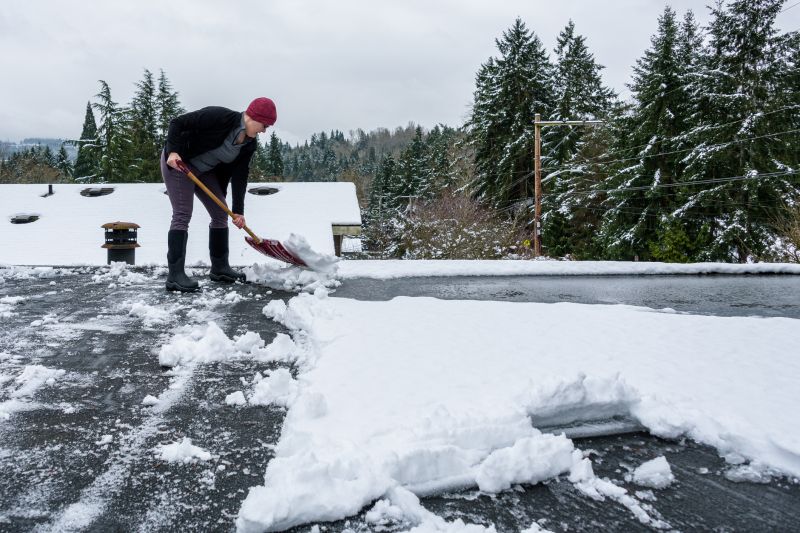
Ensure Proper Drainage
Keeping snow off the roof helps prevent water buildup and leaks inside the building.
Roof Snow Removal in New York, NY

Roof snow removal services involve clearing accumulated snow and ice from residential rooftops to prevent potential damage and ensure safety. This service typically covers a variety of projects, including removing snow from sloped and flat roofs, ice dam prevention, and managing heavy snow buildup after storms. Homeowners should consider factors such as roof pitch, snow load, and accessibility when requesting these services, as these details help determine the best approach for effective and safe snow removal.
Property owners often want to understand the scope of the work, including whether the service includes ice dam prevention or just snow clearing, and if any precautions are taken to protect roofing materials. It’s also helpful to inquire about the use of specialized equipment and techniques suited for different roof types and snow conditions. Being informed about these aspects can assist in making the best decision for maintaining roof integrity and safety during winter months.
Many property owners in New York, NY look into Roof Snow Removal for repairs, replacements, upgrades, and appearance-related improvements.
Common Roof Snow Removal Jobs
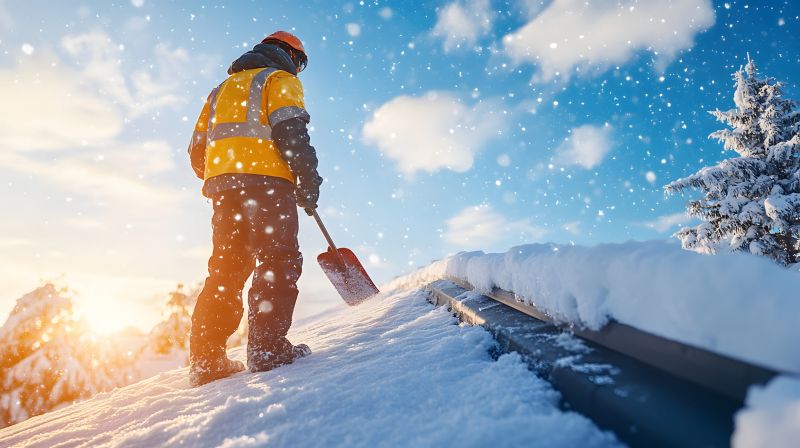
Roof snow removal - clearing accumulated snow to prevent damage and ensure safety.
Ice dam removal - removing ice buildup that can cause leaks and structural stress.
Gutter clearing - preventing ice formation and water backup by keeping gutters free of snow and ice.
Snow raking - removing snow from the roof edge to reduce weight and avoid ice dams.
Emergency snow removal - addressing unexpected snow accumulation that poses immediate risks.
Roof de-icing - applying methods to melt or prevent ice buildup on the roof surface.
Roof Snow Removal Questions
Why is snow removal important for roofs? Removing snow helps prevent ice dams, reduces the risk of structural damage, and minimizes the chance of leaks caused by excess weight.
What types of roofs benefit from snow removal services? Snow removal is suitable for various roof types, including flat, sloped, and complex roofing systems, especially in areas prone to heavy snowfall.
When should snow be removed from a roof? Snow should be removed when it accumulates to a level that adds significant weight or begins to form ice buildup, typically after heavy snowfall or when ice dams are forming.
Is professional snow removal safe for my roof? Yes, professional services use specialized equipment and techniques designed to safely clear snow without damaging roofing materials.
Request Roof Snow Removal in New York, NY
Use the quote form on this page to share the basics of your project and request more information for the type of work you need.